Drop in Running Shoes: A Strength & Conditioning Coach’s Perspective
- July 12, 2026
- 0
Written by
Mario Fares
Strength & Conditioning Coach | Founder: Mountain Strength
Running shoes are usually linked to better performance or fewer injuries, and one of the less discussed topics is the “drop”.
As a strength and conditioning coach, I approach this topic differently.
Instead of asking: “which drop is better?”, I ask: “which drop is more suitable for you, at this time of your training, and do you have the physical capacity to tolerate it?”
What is heel-to-toe drop?
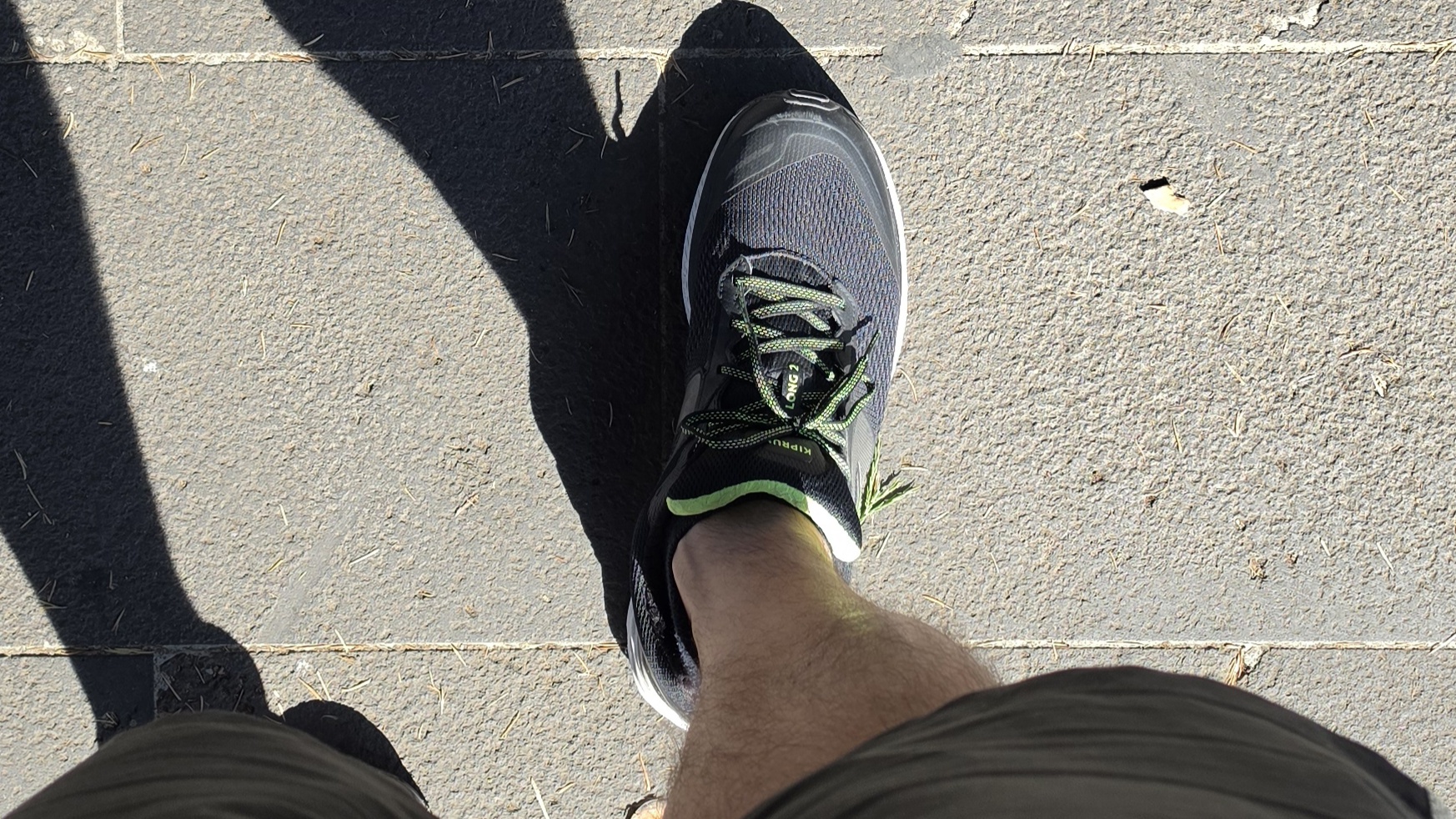
Heel-to-toe drop is the difference in height between the heel and the forefoot of a running shoe.
- 0 mm: Heel and forefoot are the same height.
- 4 – 6 mm: Low drop.
- 8 – 10 mm: Moderate to high drop.
- 12 mm: Very high drop.
Why does drop matter?
- A lower drop shoe increases the work performed by the foot muscles, Achilles tendons and calf muscles.
- A higher drop shoe increases the work performed by the knee, hip and quadriceps.
In strength and conditioning, we know that tissues become stronger when they are progressively loaded, but they also become injured when they are overloaded too quickly.
A runner who has spent years training in a 10 mm drop and suddenly switched to 4 mm shoes, may develop tight calves and Achilles soreness within a few weeks, just because they liked a new brand of shoes.
Your Achilles tendons do not know that you are wearing Nike or Hoka, they only know that they should tolerate loads they hadn’t yet adapted to.
The biggest mistake I see
I see runners changing their shoes without touching their training volume.
Imagine asking someone who back squats 100 Kg, to front squat the same weight. It’s the same squat pattern, but the load shifted to other muscles. It is the same thing in running, when you shift the load, the program should follow this shift.
Strength training makes the transition safer
If a runner wants to transition towards a lower-drop shoe, as a strength and conditioning coach I want to know:
- Can they perform quality single leg calf raises?
- Do they have sufficient ankle mobility?
- Do they tolerate single leg plyometric without pain?
- Is their calf endurance appropriate for their running volume?
The body needs the capacity to handle the new demand.
If you are considering a different shoe drop:
- Introduce the new shoe gradually.
- Start with short easy runs.
- Monitor calve and Achilles soreness.
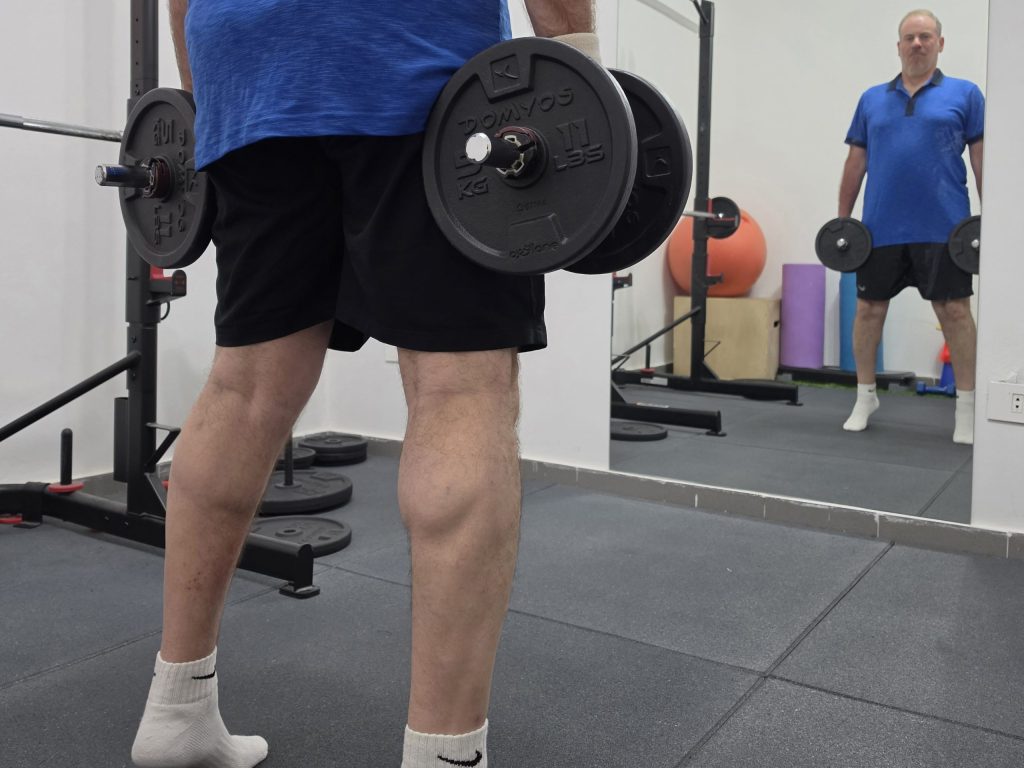
- Continue strength training for the feet and calves.
- Reduce training load if soreness continues to increase.
Final thoughts
From a strength and conditioning perspective, no shoe can replace strength, gradual progression and intelligent training.
Because strong runners don’t rely on shoes to prevent injuries, they rely on good preparation and smart load management.
About the Author
Mario Fares is a Strength and Conditioning Coach and founder of Mountain Strength. He works with runners, endurance athletes, and active individuals to improve performance, reduce injury risk, and build resilient bodies through evidence-informed strength training and intelligent programming.